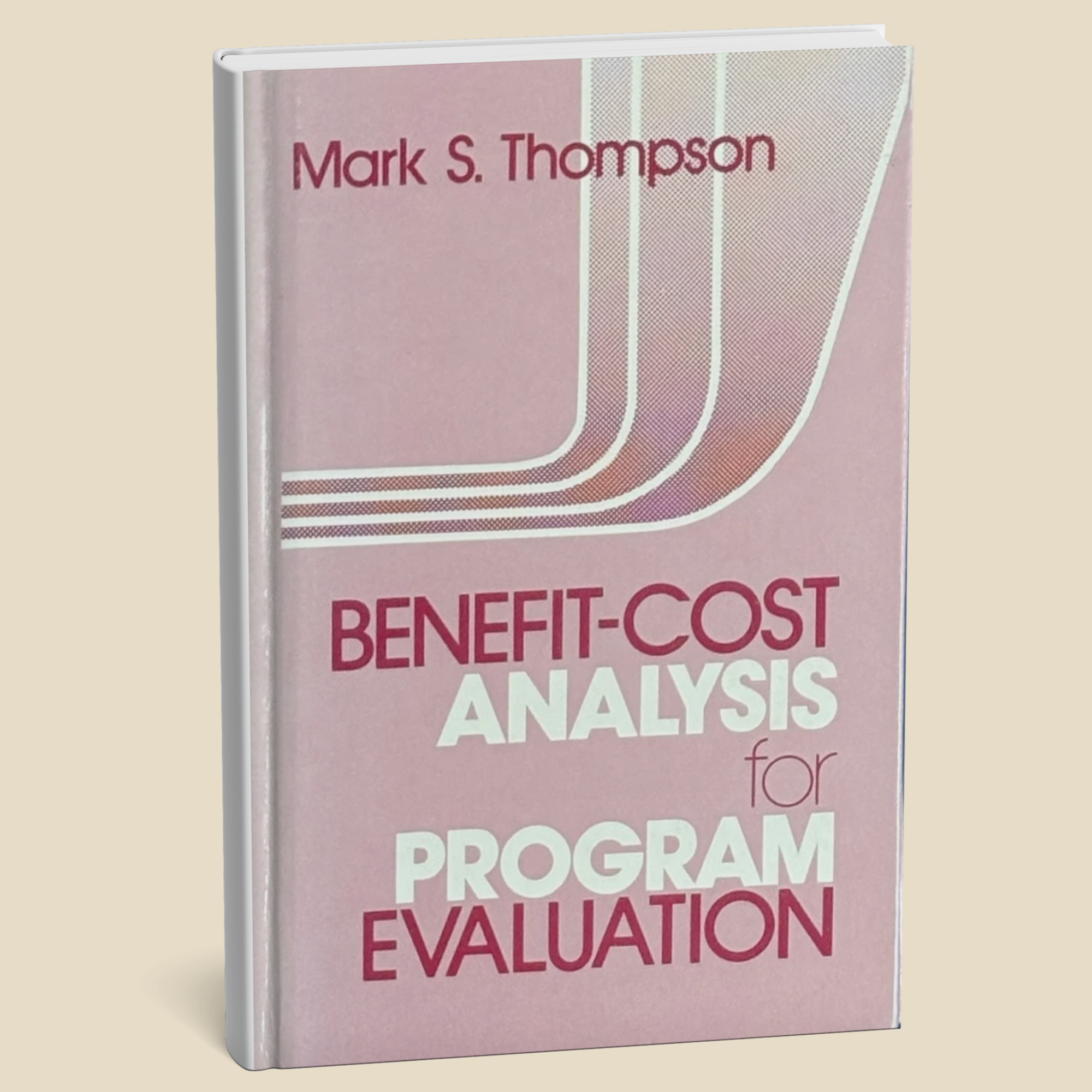
Benefit-cost analysis for program evaluation
Benefit-cost analysis – also termed cost-benefit analysis – was first performed in 1667, when it was estimated that public health expenditures to combat the plague in England would achieve what would now be called a benefit-cost ratio of 84 to one. In the twentieth century in the U.S., legislation was enacted stipulating that public works projects were to be justified via comparison of estimated dollar-valued benefits versus costs. But such estimations entailed challenges: how should future benefits best be compared with present and future costs; how should the benefits of programs that beautify highways or that enhance life quality or that marginally reduce the likelihood of premature death be estimated in monetary terms? Methods for answering such questions – discounting future effects to determine their present-value equivalents and valuing program benefits by how much persons would be willing to pay for them – have been developed and used to guide governmental decisions.